Public land in Victoria is regulated to ensure the sustainable use of our natural environments.
Our State forests are important natural areas. While they can provide valuable materials, their health and integrity must also be safeguarded. To ensure this, anyone who wants to take or use natural resources – such as plants or stone – needs to seek permission from the Conservation Regulator.
Legally, these resources are referred to as ‘forest produce’, and include:
- All parts of trees or other plants including any parts below the ground (for example, small branches, leaves, and roots).
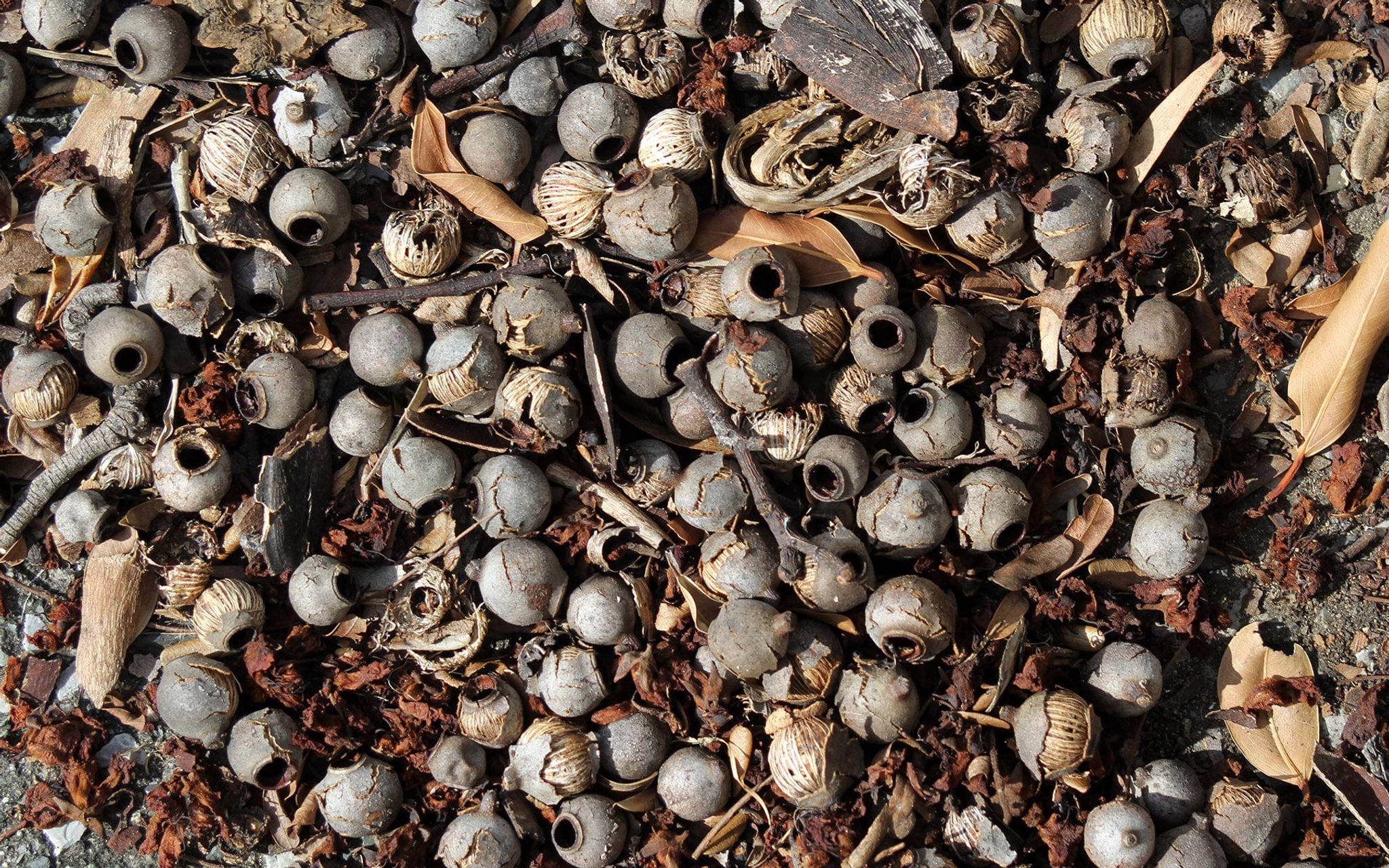
- Products of trees or other plants (for example, seeds, flowers, and fruit).
- Stone and soil.
Parts and products of plants are considered forest produce, whether or not they’re attached to a plant at the time of harvesting.
MineralsGold, silver, other metals or minerals are not classified as forest produce and require a different licence. If you would like to collect metals or minerals from public land, including prospecting and fossicking, you will need to apply for a Miner’s Right Permit from Resources Victoria(opens in a new window). |
Visit Resources Victoria Recreational prospecting(opens in a new window)
What a licence allows
It is illegal to dig, cut, or take forest produce in State forests without authorisation. Doing so carries significant penalties under the Forests Act 1958.
A Forest Produce Licence allows an individual or business to legally dig, cut, or take forest produce from State forests for a range of purposes.
Examples of activities that have been authorised through a Forest Produce Licence include:
- Cut and take of parts of trees and plants (for example, eucalyptus leaves or small branches for herbarium specimens).
- Research requiring forest disturbance (for example, cut of plants or removal of samples).
- Seed collection.
- Collection of stone or soil (excluding minerals).
- Gathering of bushfoods (for example, berries and leaves).
Timber and wood
Commercial native timber harvesting in Victoria’s State forests ended on 1 January 2024.
Government’s decision to end commercial native timber harvesting means that the Conservation Regulator will only consider licence applications for the cutting or collection of timber or wood for non-commercial purposes.
Access to timber or wood from our forests has been used to support research projects into understanding how fire spreads through forests, and the effectiveness of ecological thinning to support forest recovery after disturbance.
We will continue to accept non-commercial applications and carefully consider each on their impacts and benefits, and the need for their proposed activities to occur in State forests.
FirewoodLicences are not available for the collection of firewood. There are strict rules in place about when, where and what you can collect as firewood. DEECA operates a free domestic firewood program in autumn and spring each year. See Sourcing firewood(opens in a new window) for more information. |
Updated